Cleaner rivers, safer nature and health first

Europe has adopted new rules for urban wastewater treatment. What will they mean for our wallets, health and environment?

For professionalsObligations, deadlines and working materials

What will the new Directive bring to the public?

Water with fewer pharmaceutical and chemical residues

Modern treatment plants will newly capture up to 80% of micropollutants – trace residues from contraceptives, antidepressants or ibuprofen. These substances will no longer circulate through nature and threaten aquatic life or sources of drinking water.

Safer outdoor swimming

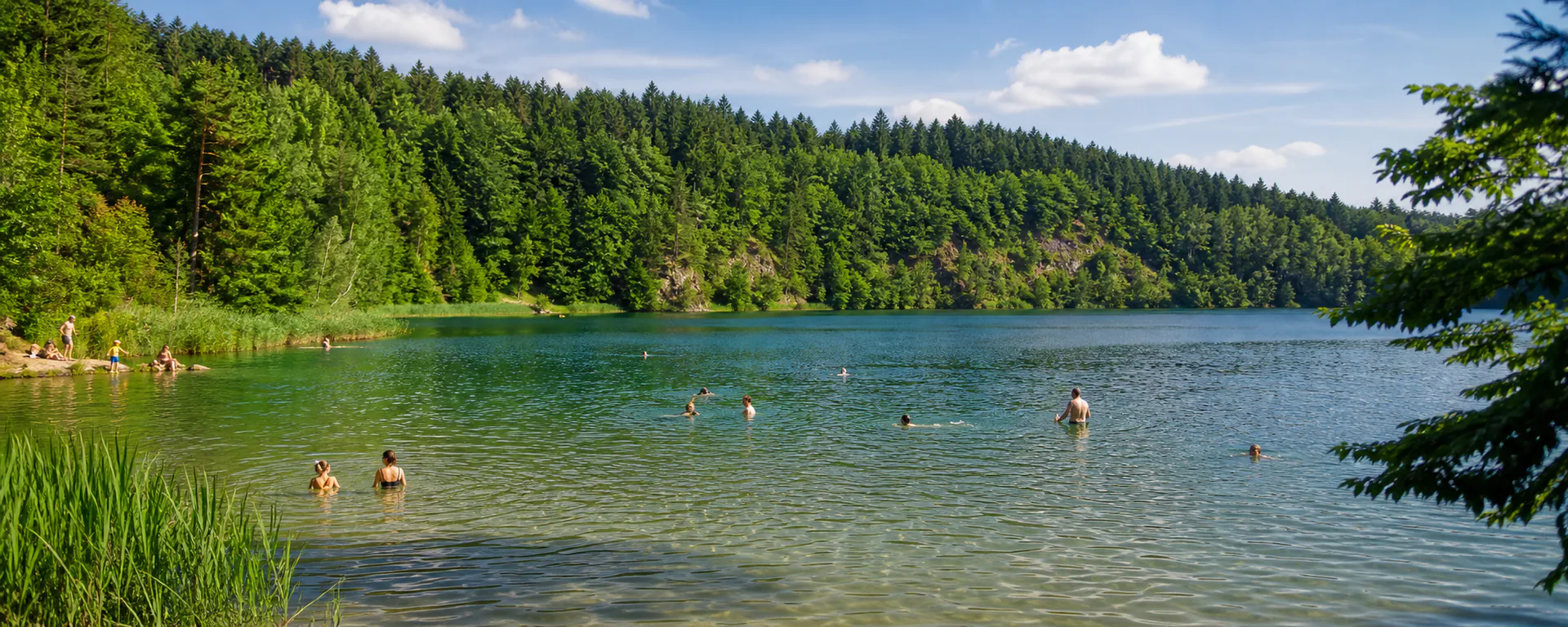
Stricter monitoring of bacteria and viruses will make swimming in rivers and ponds downstream from cities safer and reduce the risk of algal blooms and skin problems.

Greener cities and fewer floods

The Directive encourages cities to manage rainwater better. Instead of running unused into sewers and flooding basements during storms, it can be retained in parks, ponds and greenery that cool streets during summer heat.

More accessible public toilets

The Directive supports access to safe and hygienic toilets in public spaces and buildings, including the needs of children, older people, people with disabilities and people experiencing homelessness.

What is changing, and when?

A treatment plant for every larger settlement (by 2035)

Until now, modern treatment was required for towns above 2,000 population equivalents (p.e.). The threshold will fall to agglomerations from 1,000 p.e., giving thousands of people in rural areas access to modern environmental infrastructure.

The polluter pays (fair financing)

Suppliers of medicines and cosmetics will contribute to removing their residues from water. Pharmaceutical and cosmetic companies will cover 80% of the cost of the most advanced, quaternary treatment instead of leaving it solely to water customers.

Ending waste (a circular economy)

Treatment sludge is not merely waste. Phosphorus – a valuable and finite raw material that can be used as fertiliser in agriculture – will increasingly be recovered from it.

Treatment plants as energy factories

Wastewater treatment plants will no longer be only electricity consumers. By 2045 the sector should be energy neutral through savings, energy recovered from wastewater and renewable sources.

Looking back: a success story

How Czech rivers have changed over the past 50 years, and why the work must continue.

An example from Czechia

Český Krumlov and Větřní

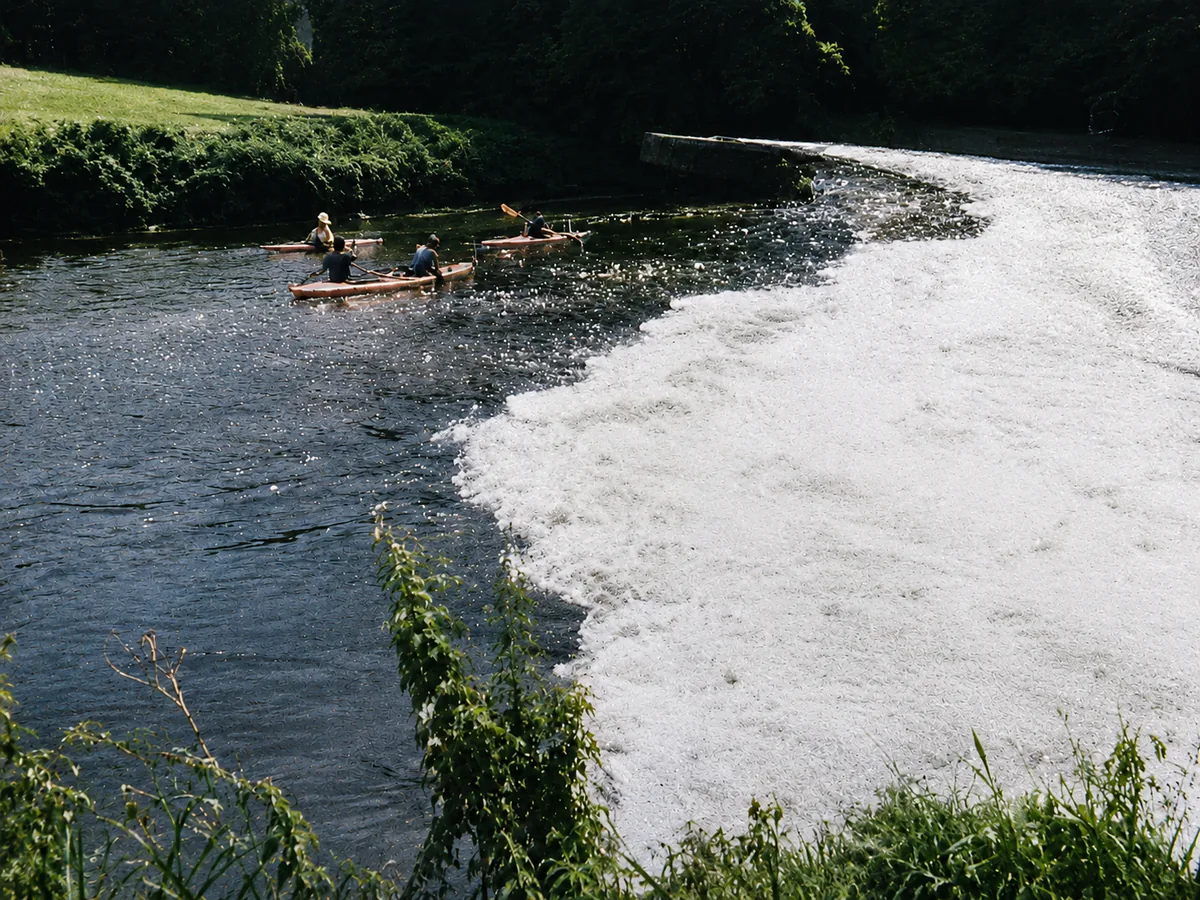
Massive foam still appeared on the Vltava downstream from Větřní, and later Český Krumlov, in the second half of the twentieth century. Overall water quality was extremely poor.

The main cause was the direct discharge of untreated wastewater from paper production. Pollution could be seen and smelled; in the worst affected stretches, both oxygen and aquatic life disappeared.

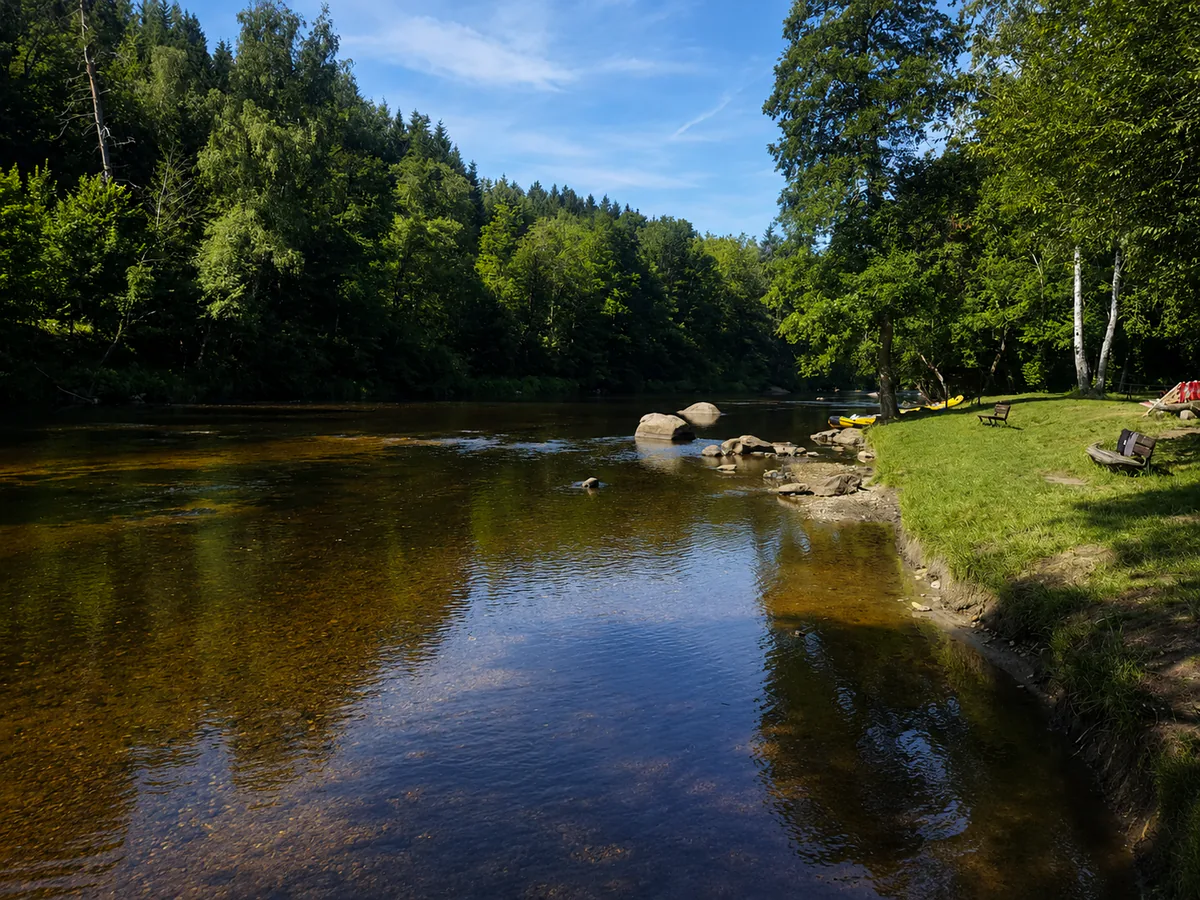
Conditions today are dramatically different and show how much wastewater treatment has achieved. We do not want to allow the old situation to return.
Massive foam on the Vltava in more recent records.
Before: visible pollution
The clean Vltava today in a natural setting.
Today: a river without foam